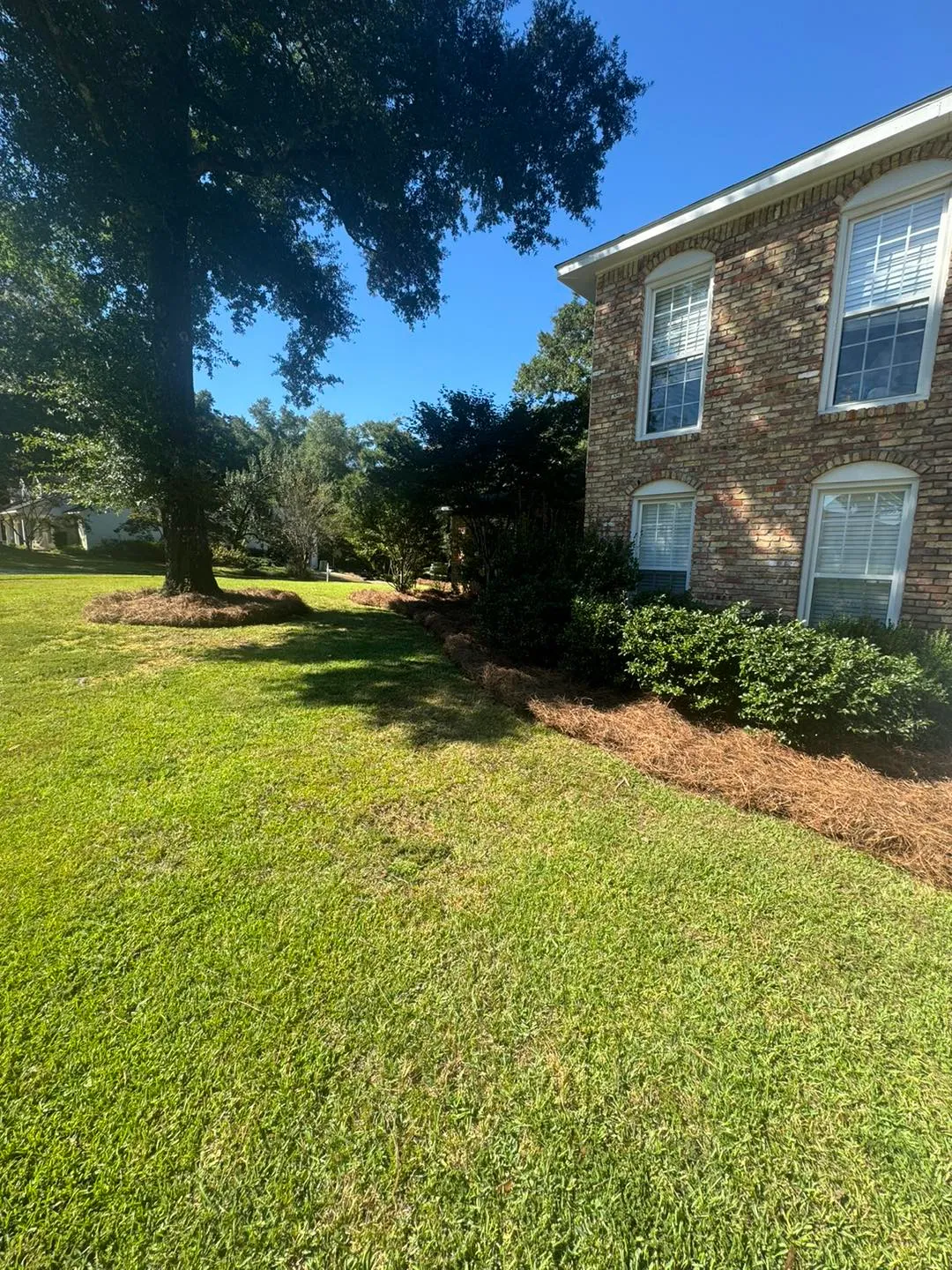
Creating Year-Round Color: Johnson Lawn Care's Guide to Perennial Flower Beds Oct 20, 2026
One of the first steps in designing a perennial flower bed is understanding the different types of perennials and their blooming cycles. Perennials are plants that return year after year, and choosing a diverse selection can ensure continuous color. Begin by noting which flowers bloom in each season. For example, early bloomers like snowdrops and crocuses herald the arrival of spring. Meanwhile, summer perennials such as daylilies and peonies offer vibrant hues as the season progresses. As fall approaches, asters and goldenrods take the stage, extending the life of your flower beds.
Next, consider the specific conditions of your garden space. Perennials, like all plants, have various sun, soil, and water requirements. At Johnson Lawn Care, we suggest performing a site assessment before planting. Determine whether your garden receives full sun, partial shade, or is mostly shaded. This will influence your plant choices significantly. For sunny spots, go for sun-loving flowers like lavender and coneflowers, while for shadier areas, plants such as hostas and ferns may thrive better.
Proper soil preparation is another crucial aspect of creating successful perennial flower beds. Start by testing your soil to understand its pH level and nutrient profile. Most perennials prefer well-drained soil with a balanced pH. Amend the soil with organic matter, such as compost or aged manure, to improve its structure and fertility. This will provide a rich foundation for your flowers to flourish.
The layout of your perennial bed is also key to ensuring year-round interest. Mix different shapes and sizes to add visual intrigue. Taller plants should be placed at the back of the bed, while medium and low-growing plants should be in the middle and front, respectively. This not only creates depth but also allows every plant to shine. Consider alternating plant textures and leaf colors to maintain appealing visuals even when blooms are less abundant.
Watering and maintenance routines are essential components for a healthy garden. Proper irrigation practices ensure that perennials have enough moisture, especially during dry spells. Mulching is beneficial as it helps retain soil moisture and control weeds. Our team at Johnson Lawn Care can assist with effective irrigation solutions and maintenance schedules tailored to your garden’s specific needs.
Lastly, don’t forget that attracting pollinators can enhance the vibrancy of your garden. Plants like milkweed and bee balm not only add color but also support bees and butterflies, which play an integral role in the pollination process. Inviting these guests into your garden will contribute to a balanced ecosystem.
In conclusion, by understanding the seasonal blooming patterns, site conditions, soil care, and strategic planting, your perennial flower beds can offer spectacular color year-round. Johnson Lawn Care and Maintenance is here to guide you through every step, transforming your garden into a perpetual showcase of nature's beauty. Enjoy the vivid transformation and the satisfaction of a thriving, colorful paradise just outside your door.