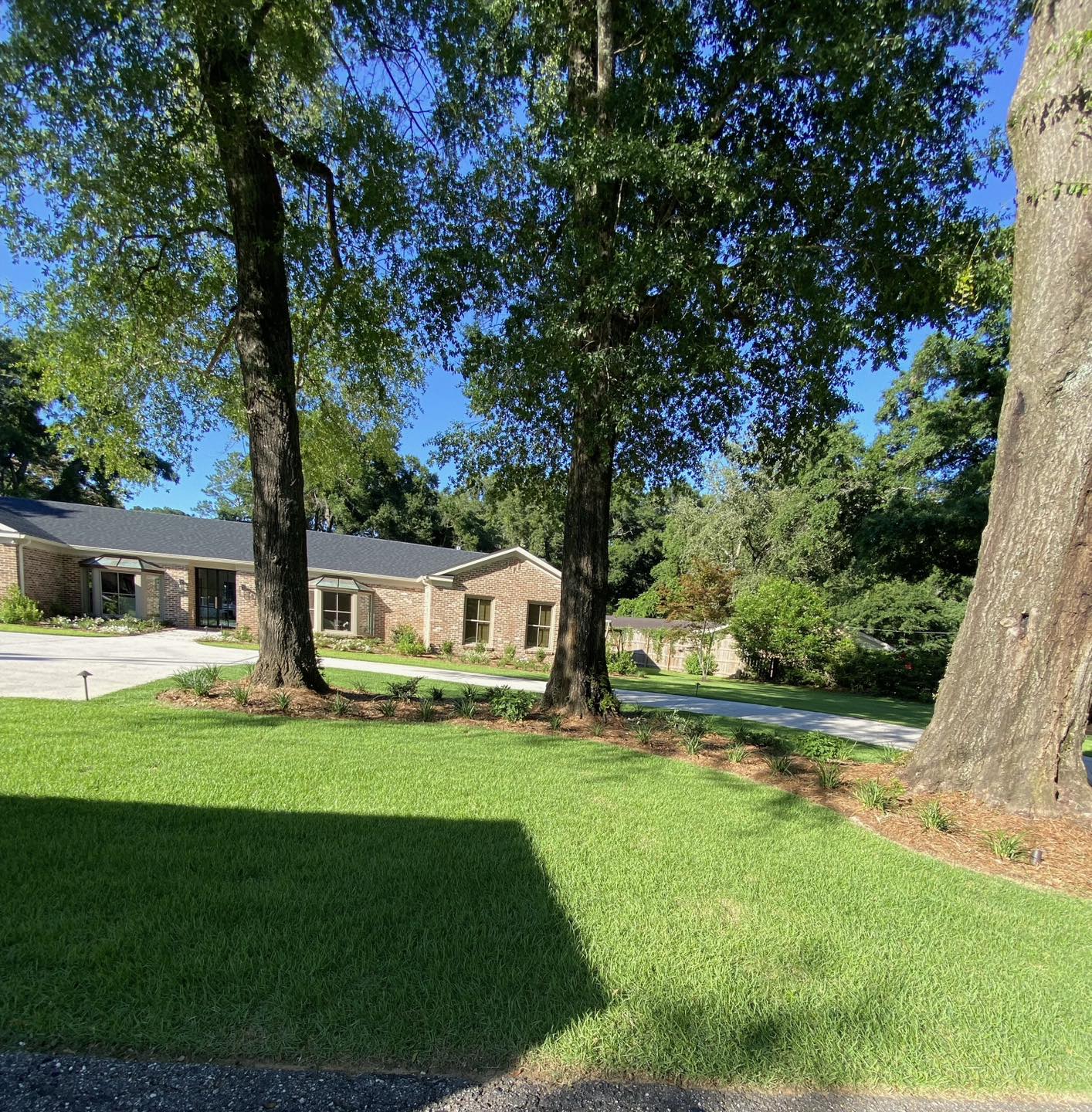
Water-Wise Landscaping: Johnson Lawn Care's Guide to Sustainable Irrigation Jun 17, 2026
Water-wise landscaping is a strategic approach to garden and lawn care that emphasizes the use of drought-resistant plants, efficient watering systems, and thoughtful design that reduces waste. It’s about creating a sustainable environment that not only saves water but also enhances the aesthetic appeal of your outdoor space. Let’s explore how you can make your landscaping more water-efficient with some practical tips from our experts.
One essential aspect of water-wise landscaping is selecting the right plants. Opt for native and drought-resistant plant species that are well-suited to your local climate. These plants require less water and are more resilient to local pests and diseases. Consider using ornamental grasses, succulents, and other hardy varieties that thrive in dryer conditions. This choice not only conserves water but also reduces the need for chemical fertilizers and pesticides.
Efficient irrigation systems are another cornerstone of sustainable landscaping. Traditional sprinklers often result in water runoff and oversaturation. Instead, drip irrigation systems deliver water directly to the plant roots, minimizing evaporation and ensuring that water is used effectively. Smart irrigation controllers can further enhance efficiency by adjusting watering schedules based on real-time weather conditions. This technology prevents unnecessary watering, saving both water and money on your utility bills.
Mulching is a simple yet effective method to retain soil moisture and suppress weeds. A layer of organic mulch around your plants helps keep the soil cool, reduces evaporation, and adds nutrients to your garden as it breaks down. By using mulch in conjunction with appropriate watering techniques, your plants will require less frequent irrigation, contributing to a sustainable landscape.
Landscaping design plays a vital role in reducing water consumption. Creating zones within your garden allows you to group plants with similar water needs together, enabling targeted irrigation. Moreover, incorporating hardscapes such as stone paths, patios, or gravel areas can decrease the amount of lawn space and reduce the overall water footprint of your landscape.
Maintaining a healthy lawn doesn't mean watering every day. In fact, allowing your lawn to dry out slightly between waterings encourages deeper root growth, making it more drought-tolerant. Watering in the early morning or late evening when temperatures are cooler and evaporation rates are low is also crucial for effective water use. These simple habits make a significant difference in sustainable irrigation.
In conclusion, implementing water-wise landscaping practices not only contributes to environmental conservation but also enhances the beauty and resilience of your garden. At Johnson Lawn Care and Maintenance, we're dedicated to providing our clients with innovative solutions that meet their sustainability goals. By choosing the right plants, optimizing irrigation systems, and designing thoughtful landscapes, you can achieve a beautiful and eco-friendly outdoor space.
For expert advice on transforming your garden into a water-efficient haven, contact Johnson Lawn Care and Maintenance. Together, we can create a landscape that respects the planet's resources while providing a serene retreat for you and your family.
/filters:no_upscale()/filters:format(webp)/media/83b54559-d440-442f-bab4-4c734b4a1324.jpg)
/filters:no_upscale()/filters:format(webp)/media/f5287ed3-776e-4ea4-bf7f-3e3708eb737e.jpeg)